
Top Cybersecurity Mistakes Small Businesses Make and How to Avoid Them
RO
Understanding the Importance of Cybersecurity
For small businesses, cybersecurity might seem like a daunting task, often overshadowed by other pressing business concerns. However, neglecting it can lead to severe consequences, including data breaches, financial losses, and reputational damage. Recognizing and addressing common cybersecurity mistakes is crucial for safeguarding your business.

Common Cybersecurity Mistakes
Small businesses often make several key errors when it comes to cybersecurity. Understanding these mistakes is the first step toward prevention. Here are some of the most common missteps:
- Ignoring Software Updates: Failing to regularly update software can leave your systems vulnerable to attacks.
- Weak Password Practices: Using simple or repetitive passwords increases the risk of unauthorized access.
- Lack of Employee Training: Employees unaware of cybersecurity best practices can inadvertently expose your business to threats.
How to Avoid These Mistakes
Taking proactive steps to address these issues can drastically reduce your risk. Here’s how you can fortify your business against cyber threats:
- Regular Software Updates: Ensure all software, including antivirus programs, is updated regularly to protect against the latest threats.
- Strong Password Policies: Encourage the use of complex passwords and consider implementing two-factor authentication.
- Comprehensive Employee Training: Conduct regular training sessions to educate employees about phishing scams and other common threats.

The Role of Data Backup
Another critical aspect of cybersecurity is data backup. Many small businesses overlook the importance of having a reliable backup system, which can be disastrous in case of a ransomware attack or data loss. Regularly backing up data ensures that your business can recover quickly from any such incidents.
Utilizing Cybersecurity Tools
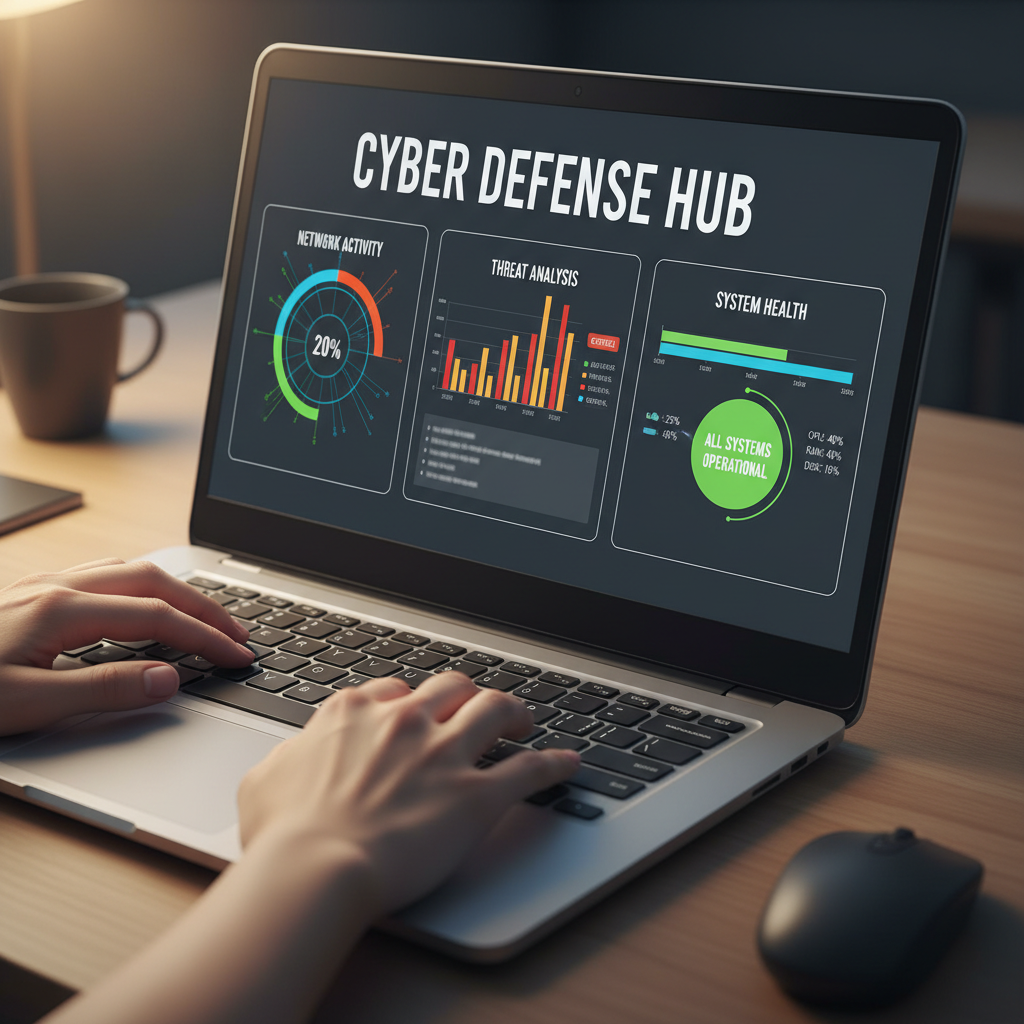
Investing in the right cybersecurity tools can provide an additional layer of protection. Tools such as firewalls, intrusion detection systems, and encryption software can help secure your business data. It's essential to choose tools that fit your specific needs and budget.
Creating a Cybersecurity Plan
Developing a comprehensive cybersecurity plan tailored to your business can make a significant difference. This plan should outline potential risks, preventive measures, and incident response strategies. Regularly reviewing and updating this plan ensures that your business stays protected against evolving threats.
Building a Culture of Security
Fostering a company culture that prioritizes cybersecurity is essential. Encourage open communication about security issues and promote a team-oriented approach to tackling cybersecurity challenges. When everyone in the organization is involved, the overall security posture is strengthened.
By understanding and addressing these common cybersecurity mistakes, small businesses can protect themselves from potential threats and ensure long-term success. Prioritizing cybersecurity not only safeguards your data but also builds trust with your clients and partners.