
Latest Cybersecurity Practices for Small Businesses: Protect Your Assets
RO
Understanding the Importance of Cybersecurity for Small Businesses
In today's digital age, small businesses are increasingly becoming targets for cyberattacks. The misconception that only large corporations are at risk can lead to a lack of preparedness. However, small businesses often have less robust security measures, making them attractive to cybercriminals. Investing in cybersecurity is not just a necessity but a fundamental aspect of protecting your business assets.
As a small business owner, it's crucial to be proactive about cybersecurity. This involves staying informed about the latest threats and implementing practices that safeguard your data and customer information. Failure to do so can result in severe financial loss, reputational damage, and legal consequences.
Implementing Strong Password Policies
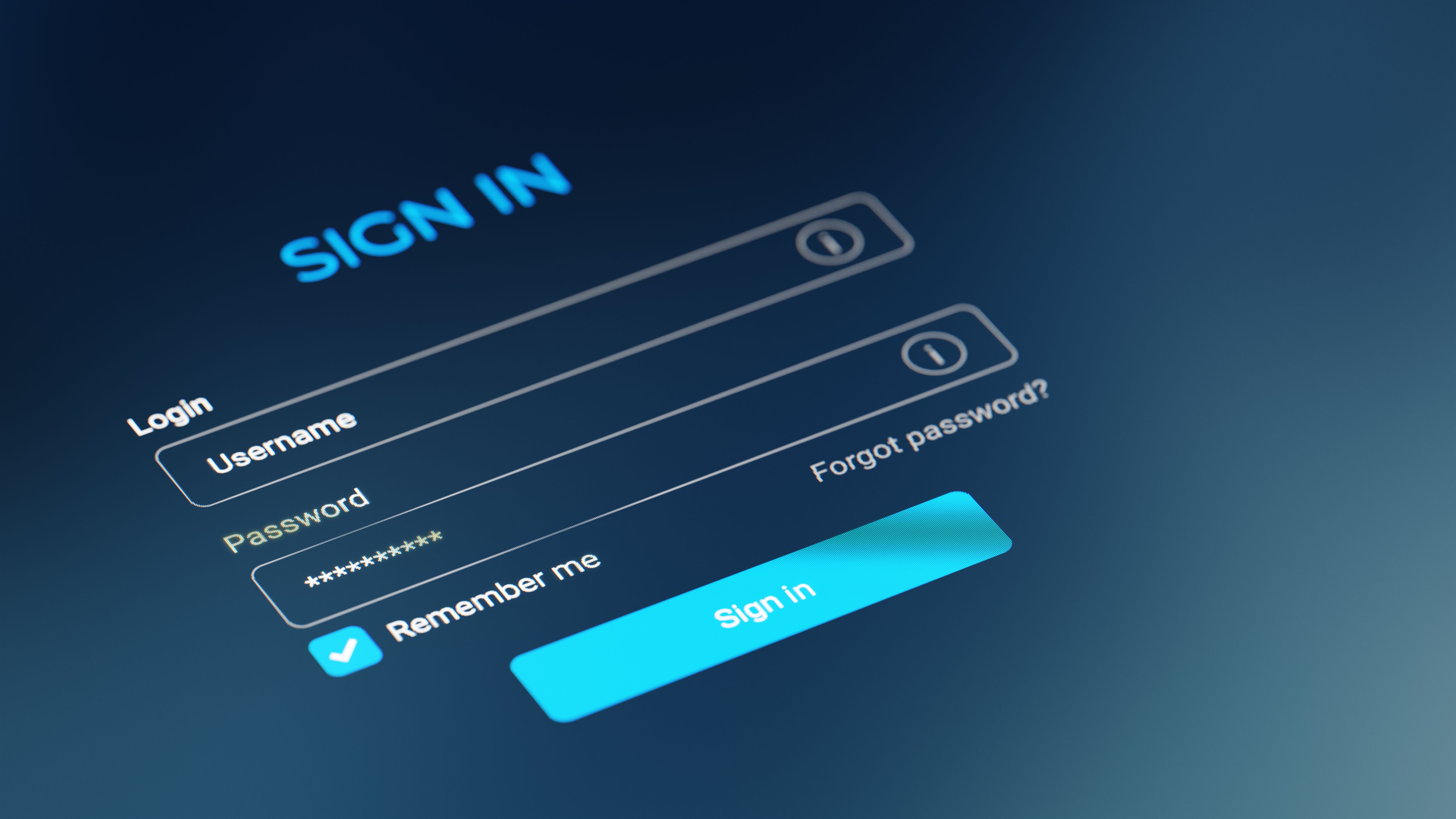
One of the simplest yet most effective cybersecurity practices is implementing strong password policies. Encourage employees to use complex passwords that include a mix of letters, numbers, and symbols. Passwords should be changed regularly to reduce the risk of unauthorized access.
Consider using password management tools that can help store and generate strong passwords securely. These tools can also prompt users to update their passwords periodically, ensuring ongoing protection.
Utilizing Multi-Factor Authentication (MFA)
Multi-Factor Authentication (MFA) adds an extra layer of security by requiring two or more verification methods to access accounts. This could include something the user knows (a password), something the user has (a smartphone), or something the user is (a fingerprint).
Implementing MFA across all your business accounts can significantly reduce the risk of unauthorized access. It's a simple yet powerful way to enhance your security posture and protect sensitive information.
Keeping Software and Systems Updated
Regularly updating your software and systems is essential in defending against the latest threats. Cybercriminals often exploit vulnerabilities in outdated software to gain access to systems. By keeping everything up to date, you can close potential security gaps.
Set up automatic updates for your operating systems, antivirus software, and any applications you use. This will ensure that you always have the latest security patches and features.

Training Employees on Cybersecurity Best Practices
Your employees play a crucial role in your cybersecurity strategy. Conduct regular training sessions to educate them about the latest threats and best practices. This includes recognizing phishing emails, using secure networks, and reporting suspicious activities.
Encourage a culture of cybersecurity awareness within your organization. When employees understand the importance of security and how to maintain it, your business becomes more resilient to attacks.
Backing Up Data Regularly
Regular data backups are an essential part of any cybersecurity strategy. In the event of a cyberattack, having up-to-date backups can mean the difference between a minor setback and a major disaster. Ensure that your data is backed up in a secure, off-site location.
Consider using cloud-based backup solutions that offer automated backups and easy data recovery options. This ensures that your data is protected and can be quickly restored if needed.

Conclusion: Staying Ahead of Cyber Threats
Cybersecurity is a critical consideration for small businesses in today's interconnected world. By implementing these practices, you can protect your assets and ensure the long-term success of your business. Remember that cybersecurity is an ongoing process, and staying informed about the latest threats and technologies is key to maintaining a secure environment.
Investing in cybersecurity now can save you from significant losses and headaches in the future. Start small, prioritize security, and watch your business thrive in the digital age.