
Debunking Common Cybersecurity Myths for Small Businesses
RO
Understanding Cybersecurity for Small Businesses
Many small business owners believe they are too insignificant to be targeted by cybercriminals. However, this misconception can lead to serious security breaches. In reality, small businesses are often seen as easy targets due to their perceived lack of robust security measures. It's crucial to understand that cybersecurity is essential for businesses of all sizes.

Myth 1: Small Businesses Aren't Targeted
One of the most common myths is that cybercriminals only target large corporations. In truth, small businesses are frequently attacked because they often lack sophisticated security systems. According to studies, nearly half of all cyberattacks are aimed at small businesses. This makes it imperative for them to invest in effective cybersecurity measures.
Small businesses should focus on implementing basic security protocols such as firewalls, antivirus software, and regular security audits. By doing so, they can significantly reduce the risk of being targeted by cybercriminals.
Myth 2: Strong Passwords Are Enough
While strong passwords are a fundamental aspect of cybersecurity, relying on them alone can be risky. Cybercriminals use advanced techniques to crack even the strongest passwords. Therefore, it's essential to implement multi-factor authentication (MFA) to add an extra layer of security.
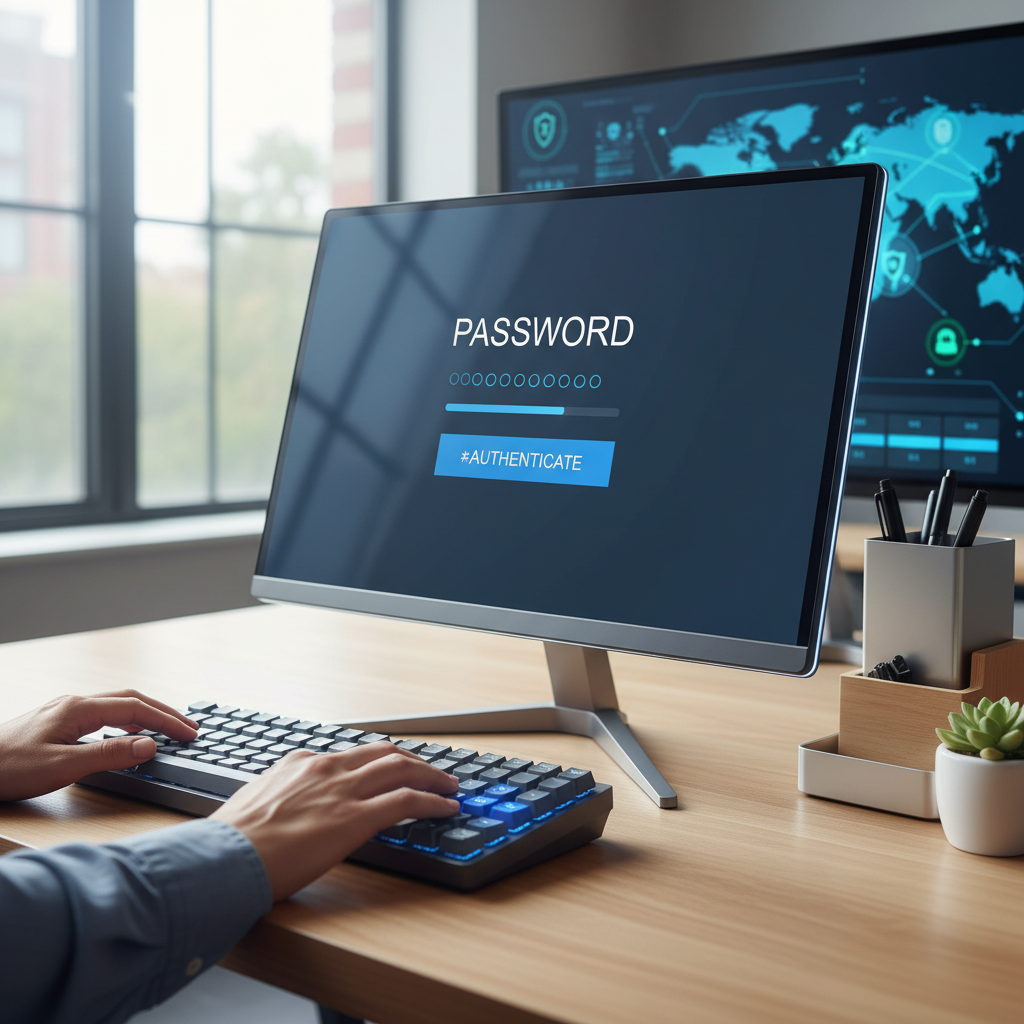
MFA requires users to provide two or more verification factors to gain access to a resource. This could include something they know (password), something they have (security token), or something they are (fingerprint). By using MFA, small businesses can greatly enhance their security posture.
Myth 3: Cybersecurity Is Too Expensive
Another prevalent myth is that cybersecurity is too costly for small businesses. While it's true that comprehensive security solutions can be expensive, there are many affordable options available. Small businesses can start with basic measures like updating software regularly, training employees, and using secure cloud services.
Additionally, many cybersecurity service providers offer scalable solutions tailored to the needs and budgets of small businesses. Investing in cybersecurity can save a business from the potentially devastating costs of a data breach.

Myth 4: Antivirus Software Is Sufficient
Relying solely on antivirus software is a common mistake. While antivirus programs are critical for detecting and removing malware, they are only one part of a comprehensive cybersecurity strategy. Businesses need to implement a multi-layered approach that includes network security, data encryption, and employee training.
Employee training is particularly important as human error is a leading cause of data breaches. Regular workshops and seminars can educate employees on best practices and how to recognize phishing attempts.
Conclusion: Taking Action
Debunking these myths is the first step toward better cybersecurity for small businesses. By understanding the real threats and taking proactive measures, small businesses can protect themselves from becoming victims of cybercrime. It's not just about investing in technology; it's about building a culture of security awareness within the organization.
Take action today by evaluating your current security measures, educating your team, and exploring scalable cybersecurity solutions. Remember, being informed and prepared is the best defense against cyber threats.